ARTILLERIE-INRICHTINGEN WAS A DUTCH STATE-OWNED ARTILLERY, SMALL ARMS, AND MUNITIONS COMPANY WHICH ALSO PRODUCED MACHINE TOOLS AND WAS FOUNDED IN 1679 IN DELFT, NETHERLANDS.
The Delft Company
Dutch defense-industrial history · Delft
From steam power
to industrial steel.
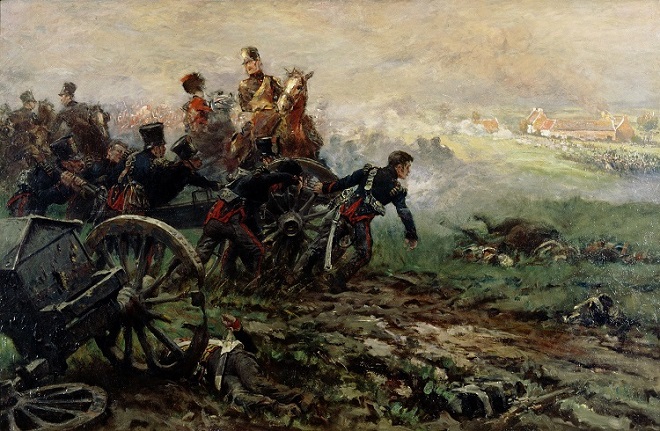
Between the post-Waterloo peace of 1815 and the Belgian Revolution of 1830, the Delft company developed rapidly. Its growth laid the foundation for increasingly specialized metalworking, precision manufacturing, and military production.
By 1813, the company was already using steam power and producing artillery, field guns, small arms, and military vehicles. Other products were manufactured at facilities in Liège.
That arrangement ended after 1830, when the Belgian Revolution geographically separated the Liège facilities and left the company’s production entirely in Delft.
Reorganization around metalworking
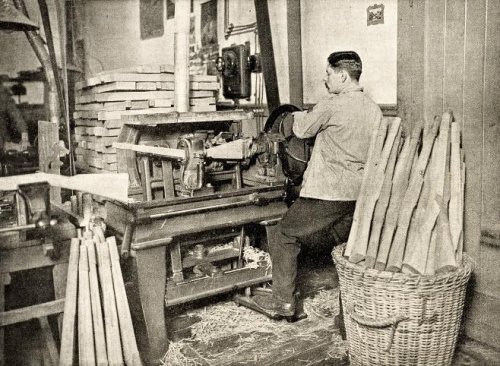
Following the loss of the Liège facilities, another reorganization was undertaken. Non-core activities such as woodworking were discontinued, and the company concentrated its efforts on metalworking under Colonel Ultich Huguenin (1755–1833).
01
Expanded military production
The company manufactured small arms and ammunition while continuing to produce machinery and precision instruments.
02
Precision machining
Machining artillery munitions required lathes, while precision-instrument production created demand for custom machinery.
03
In-house machine building
By 1836, the company was producing lathes for its own use, supporting increasingly specialized manufacturing requirements.
Growth into a diversified industrial complex
By about 1850, the company employed approximately 500 people and had established a reputation for high-quality production. Further expansion followed through the second half of the nineteenth century.
c. 1850
500 employees
A substantial workforce supported production recognized for its high quality.
1860
Pyrotechnic plant
A dedicated pyrotechnic plant was established for the manufacture of explosives.
c. 1880
Integrated facilities
The company had developed into a broad industrial and logistical complex with specialized production and support facilities.
Logistics center Pyrotechnic school Foundry Workshop Saddlery Woodworking center Gun shop Pattern factory
The transition to cast steel
In 1884, the company introduced a small cast-steel foundry, marking the first industrial-scale steel production in the Netherlands. The new capability enabled cast steel to be used for military materiel that had previously been manufactured from cast iron or wrought iron.
In 1887, the company was renamed Artillerie Inrichtingen (A.I.). The following decades brought geographic expansion, a move to the Noordzeekanaal near Zaandam, wartime growth, postwar contraction, and changes in the company’s organizational structure.
Delft The Hague Zaandam Hembrug
A new name and a new site
From 1887 onward, production was no longer centered exclusively in Delft because the company also incorporated the gun foundry in The Hague. With no room left to expand at the existing facilities, a new site was sought within the defensive territory of the Stelling van Amsterdam.
01
Zaandam selected
A new operating base was selected near Zaandam, where naval facilities were already present.
02
Move to Hemelveld
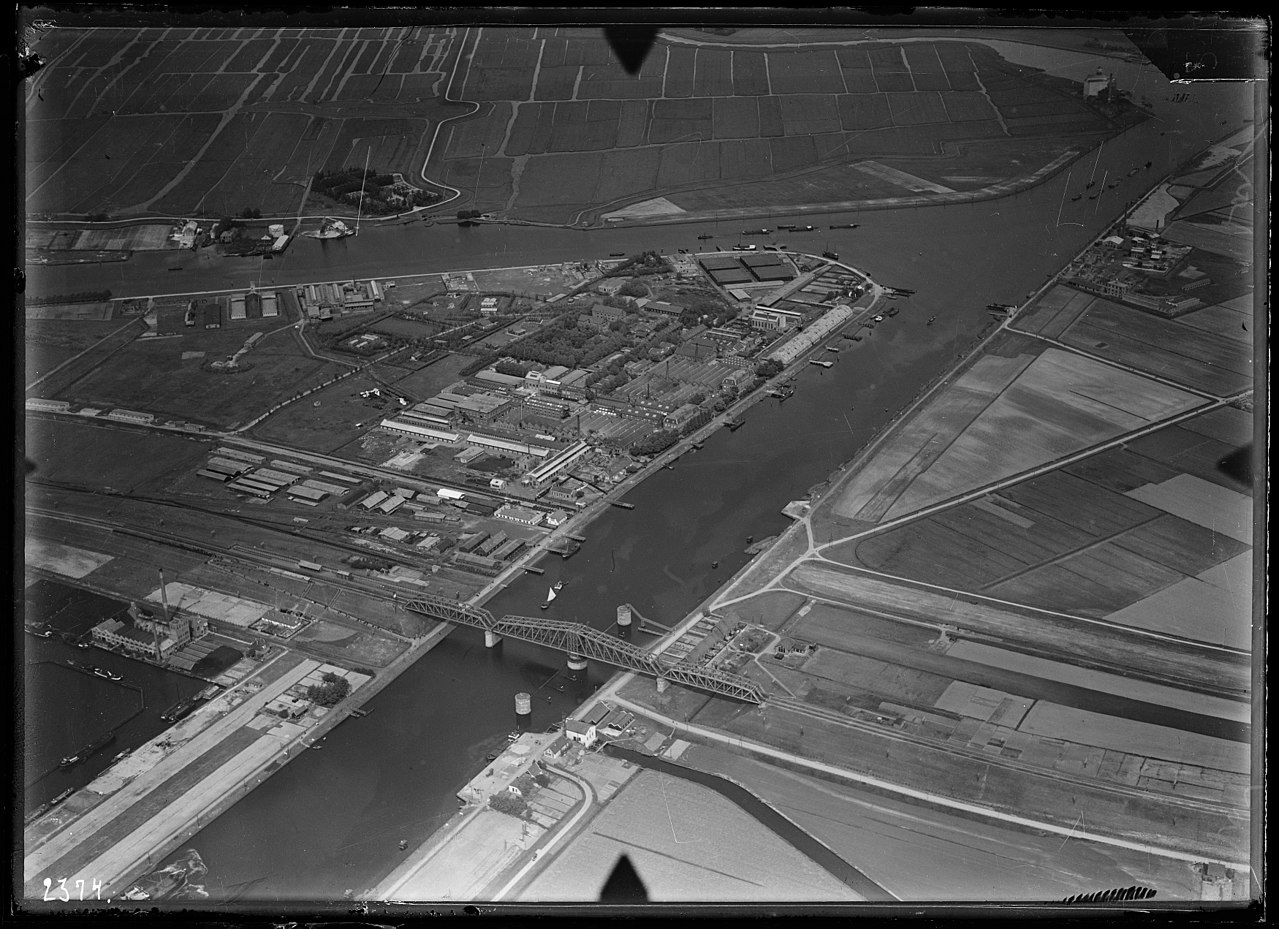
In 1899, Artillerie Inrichtingen moved to Hemelveld on the Noordzeekanaal near Zaandam.
03
Operations consolidated
The Hague facilities closed in 1904 and their activities were transferred to Zaandam.
The Hembrug name
In 1907, a bridge across the canal known as the Hembrug opened. Over time, the bridge’s name also became associated with the company and its Zaandam operations.
State ownership and colonial supply
In 1912, Artillerie Inrichtingen was redesignated as a state-owned company and withdrawn from direct military authority. At that time, it employed approximately 1,200 people, including many soldiers.
1,200
Employees in 1912
The workforce included a significant number of military personnel.
Dutch East Indies
Colonial military supply
Much of the company’s production was sent to the Dutch East Indies for Dutch colonial military operations, including the conflict in Aceh.
Wartime expansion and postwar contraction
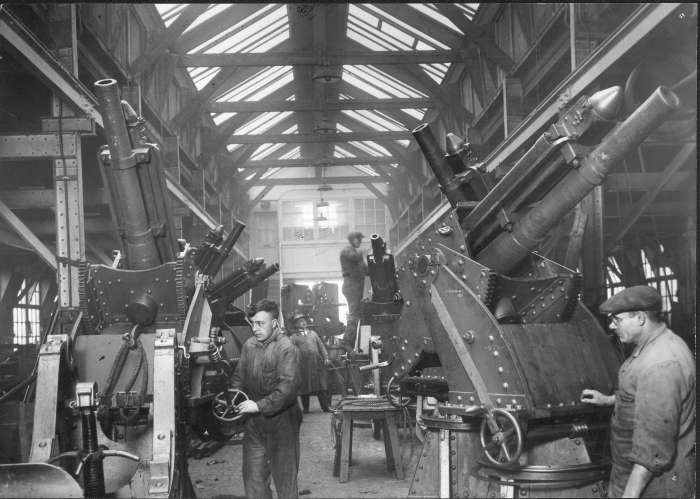
After the outbreak of the First World War, production and staffing grew rapidly as large orders were placed for the Dutch Army. The postwar period brought disarmament, falling employment, and a search for alternative work.
19178,500 employees
Peak wartime staffing during rapid production growth.
1921Fewer than 2,000
Postwar disarmament and the League of Nations era brought sharp workforce reductions; closure was considered.
200Postal drivers
Drivers delivered mail until the work transferred to a Dutch National Postal Service unit in 1930.
Civilian production
As an alternative to closure, automobiles were assembled and converted.
A new corporate structure
In 1928, the company’s organizational form changed to that of a public limited company, allowing greater freedom in business management. The Royal Netherlands East Indies Army (KNIL) remained its largest customer.
Employment slowly recovered before falling again to 1,200 in 1932 during the Depression, despite growing demand for civilian products, including lathes. German rearmament during the 1930s subsequently contributed to higher production.
1940
A plan that was not implemented in time
A plan was prepared to deny Nazi forces the use of Artillerie Inrichtingen’s facilities, but it was not implemented before the invasion.
1973 Split
Dutch industrial history · From 1973
One industrial legacy.
Two specialist companies.
In 1973, the Dutch government divided the company into two independent businesses: Eurometaal and Hembrug Machine Tools. Each continued a distinct part of the organization’s industrial expertise.
Eurometaal Hembrug Machine Tools Military production Precision machine tools
The 1973 division
Military production
Eurometaal
Eurometaal took over the military production facilities, including those used for weapons and armaments.
Precision manufacturing
Hembrug Machine Tools
Hembrug took over precision-tool manufacturing and continued developing specialist machine-tool expertise.
Hembrug’s precision path
Hembrug was privatized in 1983 following the company’s move to Figeeweg in the Waarderpolder industrial area of Haarlem.
The company continued to advance its machine-tool expertise and went on to develop ultra-precision lathes.
Eurometaal and civilian diversification
Alongside its military-production role, Eurometaal sought opportunities in civilian markets and manufactured a broad range of products and components.
Eurometaal developed a press for the production of coins for the Dutch Mint. The equipment was used in the production of guilders and, later, euro coins.
3,000 t
A unique technical milestone
The company acquired a 3,000-ton industrial press described as the largest in Europe in terms of capacity and stroke length.
Acquisition and repatriation
Dutch industrial history · Hembrug
From production site
to industrial heritage.
The final decades of Eurometaal and the changing Hembrug site brought factory closures, the disappearance of major transport infrastructure, and a new focus on preserving and interpreting the area’s industrial legacy.
Eurometaal was eventually acquired by the German company Rheinmetall and ended production in 2003. The Bergen op Zoom subsidiary Franerex also closed that year.
01
Eurometaal
Acquired by Rheinmetall; production stopped in 2003.
02
Franerex
The Eurometaal subsidiary at Bergen op Zoom also closed in 2003.
03
Holding-company divestments
Intergas in Coevorden and Germany-based automotive supplier Heidel were divested in connection with a social plan for the final 200 employees.
A changing Hembrug landscape
Production in the Hembrug area declined throughout the 1970s, and the former Artillerie Inrichtingen factories increasingly fell out of use. Transport links and industrial facilities also changed substantially.
1982Train stop closed
The train stop serving the Hembrug industrial area ceased operation.
1983Hemtunnel opened
The Hemtunnel made the Hembrug Bridge obsolete.
1985Bridge demolished
The Hembrug Bridge, which had given the area its name, was torn down.
Industrial succession
Successive operations at the former munitions site included Eurometaal and later Rheinmetall facilities.
Technical training at the historic site
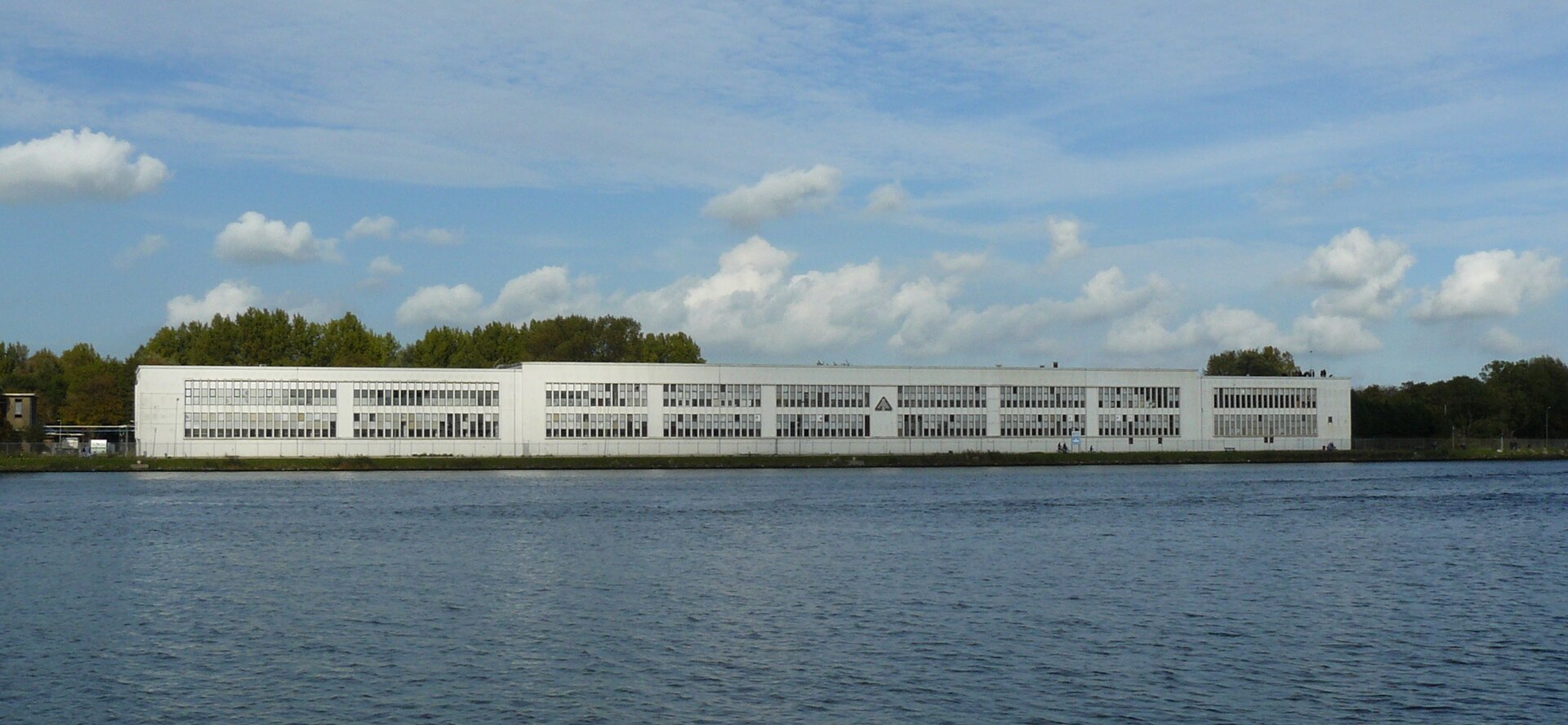
At the former Artillerie Inrichtingen site in Zaandam, the Tetrix training center occupied a historic workshop building associated with a factory established in 1939. Tetrix left the site in 2012.
A living industrial legacy
As of 2017, Hembrug Machine Tools continued manufacturing precision lathes in Haarlem, including the Mikroturn line. The broader Hembrug area retained a substantial concentration of industrial manufacturing buildings and was recognized as an important industrial monument.
Precision manufacturing
Mikroturn lathes
Hembrug Machine Tools continued the precision-engineering tradition from its Haarlem operations.
Hembrug Museum
Past, present, and future
The museum at the former Artillerie Inrichtingen Hembrug site presents information about the area’s historic activities, current identity, and future.
2021 – Present
Company Development · A New Chapter
Historic Names. A New Industrial Future.
A new team of firearms and defense-industry entrepreneurs registered a group of historic and contemporary names and trademarks, connecting renewed industrial activity with a long Dutch defense-manufacturing tradition.
Dutch-owned Tilburg headquarters European and U.S. presence Cradle-to-cradle ambition
Registered Names and Trademarks
A renewed identity rooted in Dutch industry
A.I. Armaments
AI Armament
Nederlandse Machinefabriek Artillerie Inrichtingen
Artillerie Inrichtingen Armaments B.V.
Circular Industrial Model
A complete cradle-to-cradle concept
AIA’s objective is to create a complete cradle-to-cradle concept that connects design, engineering, manufacturing, commissioning, and demilitarization within one circular lifecycle.
01Design
02Engineering
03Manufacturing
04Commissioning
05Demilitarization
Strategic Development
Expanding the industrial footprint
2024 · United States
Acquisition of Nostromo LLC
In 2024, AIA acquired Nostromo LLC in Kennebunk, Maine, a company with a legacy in the U.S. defense market. The acquisition strengthened AIA’s presence and market experience in North America.
February 2026 · The Netherlands
Acquisition of MMC Bruineveld
In February 2026, AIA acquired the MMC Bruineveld ammunition complex in Daarle, Overijssel. The site supports the planned expansion of AIA’s industrial base for ammunition and warhead manufacturing.
August 2026 · Ukraine
Branch Office Opened in Kyiv
In August 2026, AIA opened a branch office in Kyiv, Ukraine, establishing a local presence to support its activities and partnerships in the country.
Regulatory notice: Manufacturing activities remain subject to applicable permits, regulatory approvals, product qualification, export-control requirements, and other applicable laws and regulations.